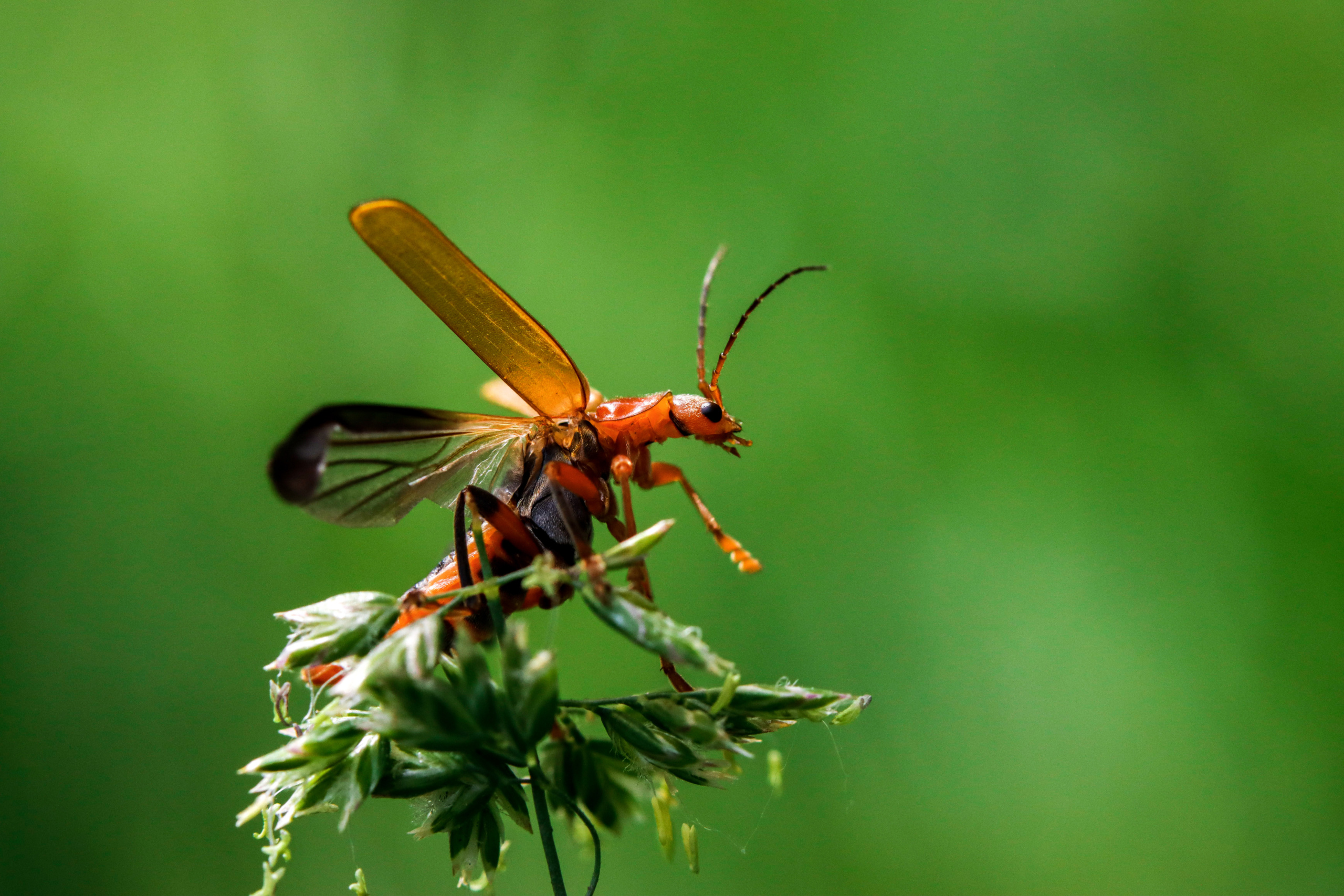
Nature-Inspired Photography is more than just taking photos or snapping pictures outdoors.
It is photography and filmmaking from within nature that conveys a closeness to nature, seeks to protect it, and does so without striving.
Perception
It begins with attention: to your surroundings, to yourself, and to the ability to be open—and to stay open.
What do your surroundings look like? What do you see? What do you discover when you stop? Wasn’t there a small movement, a glint of light, or a tiny animal?
Not all subjects make themselves known right away. Some want to be discovered first.
Basic Attitudes
A photo can be planned. But that’s not what this is mainly about.
Maybe what matters more is how we approach a place: how we treat ourselves, others, and nature. A lot of that is later reflected in the images, too.
That may sound a bit pathetic, but there’s truth in it.
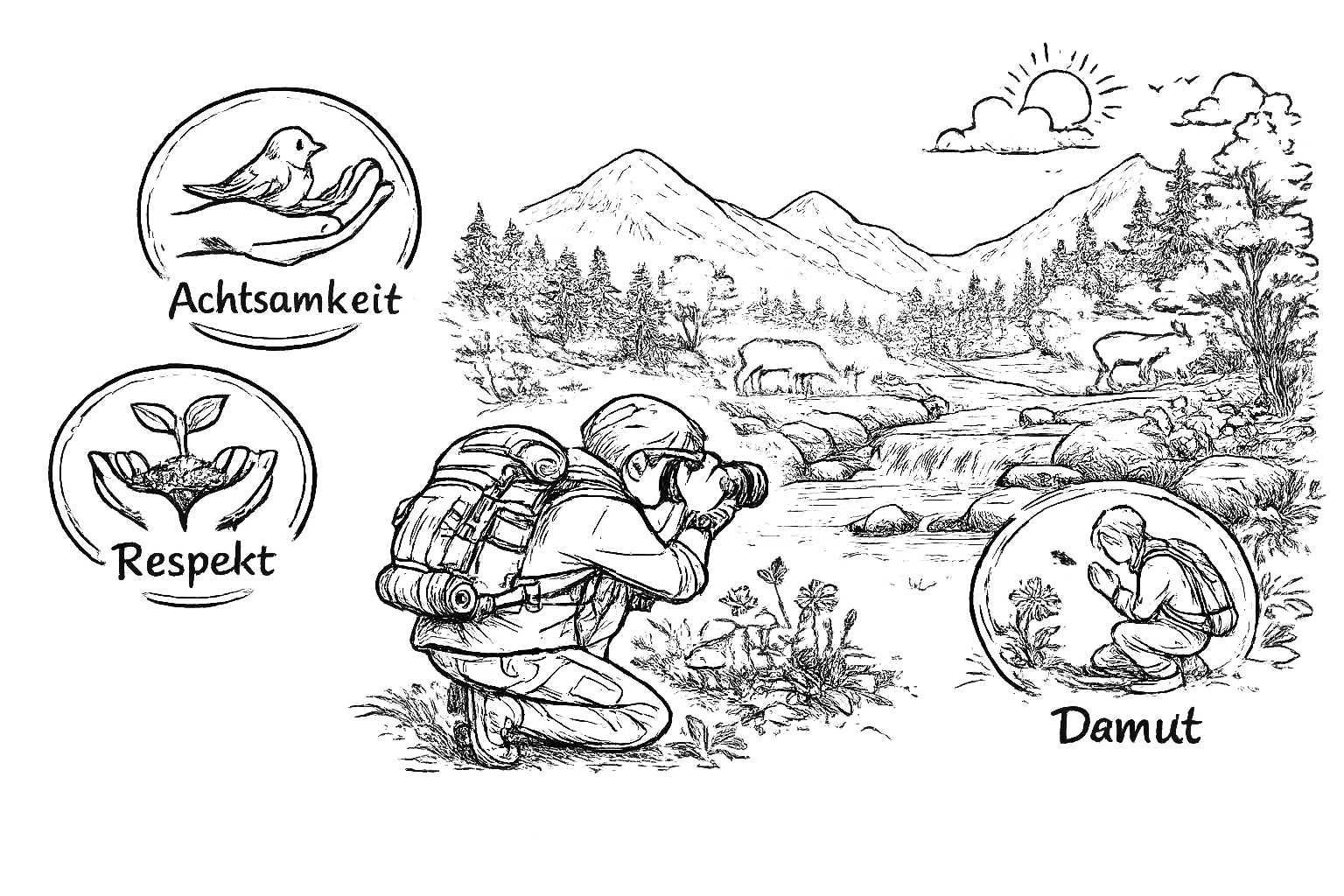
Mindfulness
An unbiased attitude helps. You don’t know what you’ll encounter when you go outside, and a lot can’t be controlled.
But you can accept what is there.
That applies to your surroundings as well as your own mood. What do you smell? What do you hear? How does the ground feel—a stone, a leaf, the bark of a tree?
In this open, as judgment-free as possible perception often lies the beginning of an image.
Take the natural beauty and compose the photo accordingly.
Respect
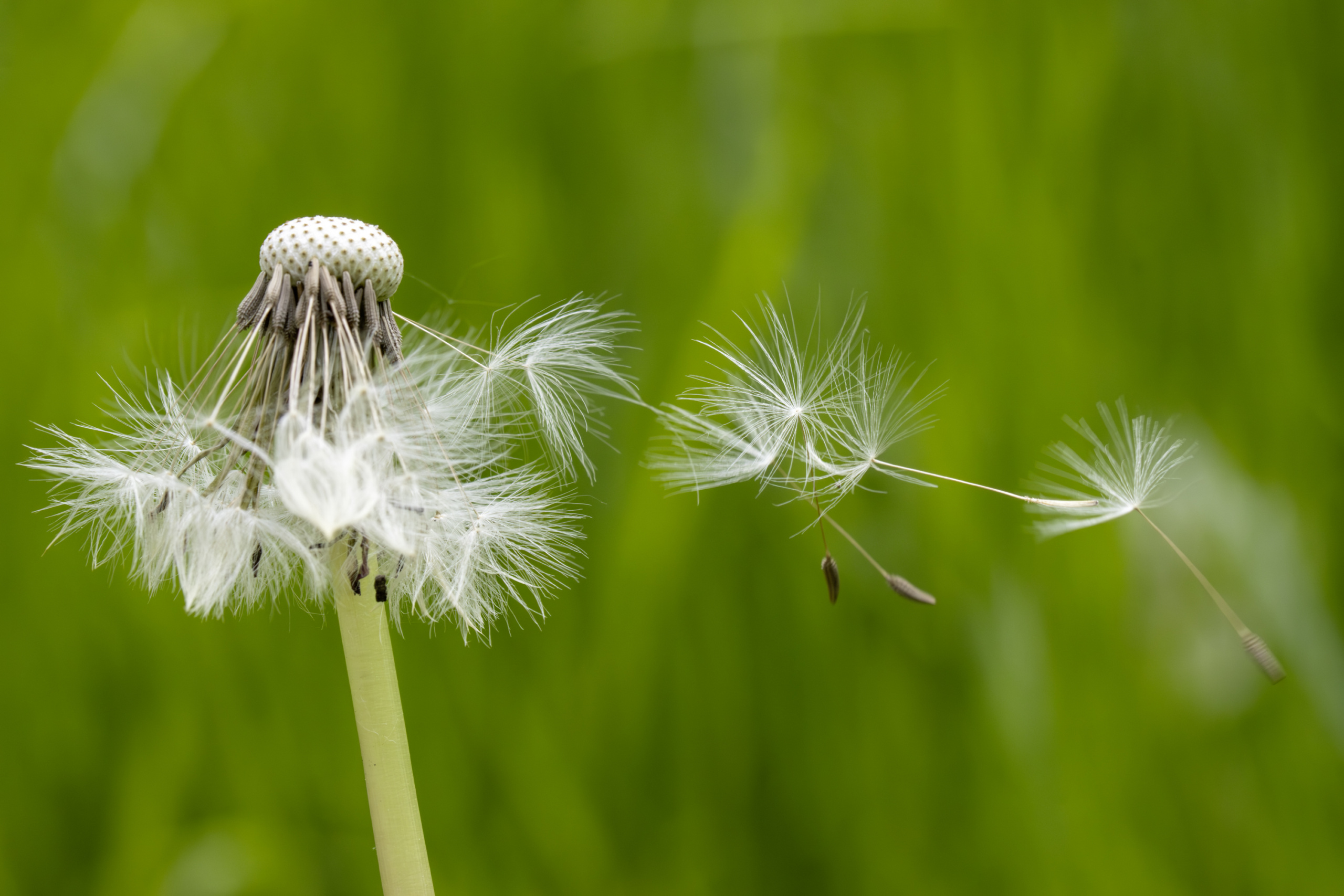
Nature-based photography can also mean meeting your surroundings with respect.
We often don’t know what connections a living being or a place holds within it. A plant, an animal, a fungus, or an apparently inconspicuous detail doesn’t have to justify itself to us first in order to have meaning.
Maybe it’s enough to give the subject space and meet it at eye level.
Humility
What we see outside is part of something very old.
Modern humans have existed for about 300,000 years, but life on Earth for billions of years. This dimension of time can change your view: much of what’s around us isn’t there for us, and yet we are allowed to encounter it.
There is something in that you could call humility.
Maybe this attitude shows up later in the image too: not as submission, but as a quiet acknowledgement that the subject is more than just an object in front of the lens.
Time
An image doesn’t always come right away.
Sometimes it takes a moment of looking to find an entry point to the subject. Sometimes it takes patience until an impression becomes a form.
And sometimes something simply remains an experience that can’t be translated into an image in that moment. That’s part of it too.
Agility
Agility isn’t only a question of the body, but also of the gaze.
Often an image changes as soon as you shift your position a little: when you bend down, squat, take a step to the side, or move closer.

You see that in other areas of photography too. If you photograph children only from above, it often creates distance. At eye level, on the other hand, there’s more of a feeling of closeness and independence.
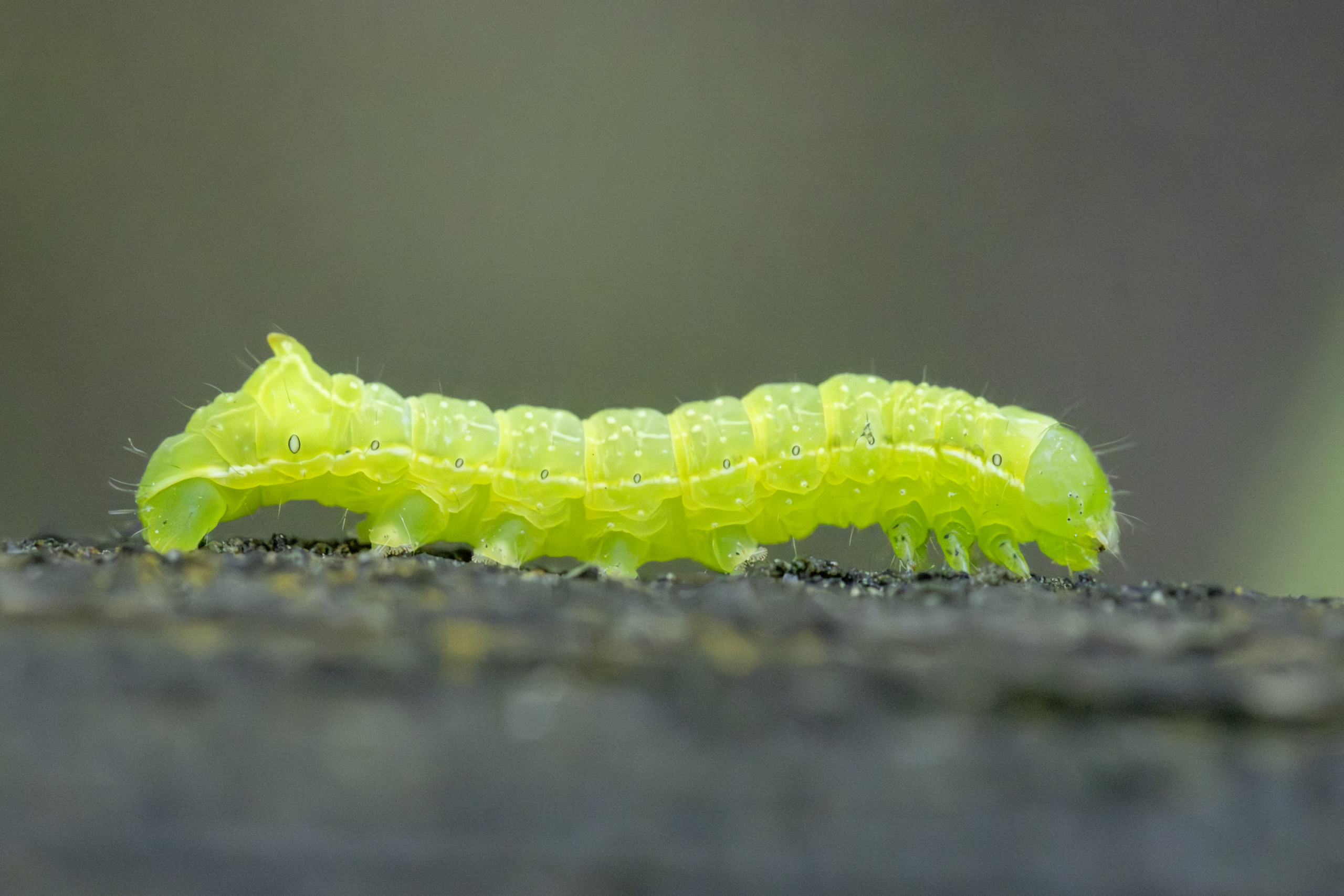
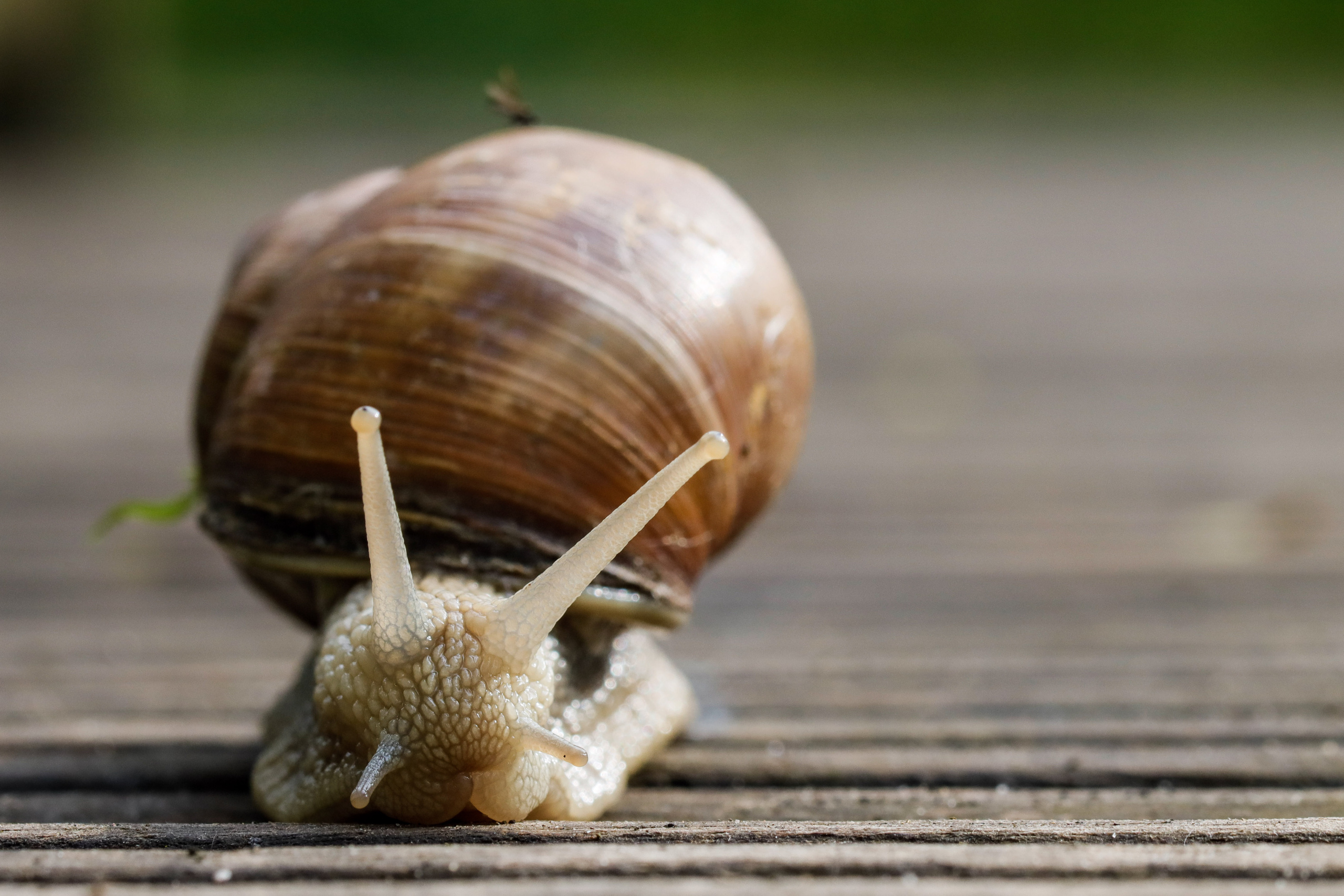
It’s similar in nature photography. Even small subjects—like beetles, spiders, shells, blossoms, or fungi—change their effect when you meet them on their level.
Simplicity
You don’t necessarily need a lot of equipment for that.
A camera or a phone you’re familiar with can be completely enough. Technology can help, but it doesn’t replace attention.
It’s not the device alone that makes the image, but the way you look.